-
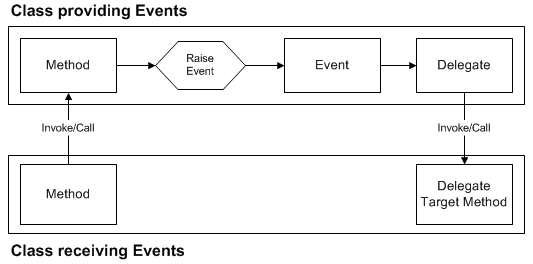
A delegate in C# is used to encapsulate a method and very is similar to a function pointer in C or C++ (see how it works in C++ Link). The delegate keyword in C# when in the context to a method or variable, encapsulates a reference to a method inside a delegate object.
-
The delegate object can then be passed to code which can call the referenced method, without having to know at compile time which method will be invoked.
-
Unlike function pointers in C or C++, delegates are object-oriented, type-safe, and secure.
-
-
While using delegate, you are defining a
-
type of method you will be encapsulating
-
the return type
-
For a static methods, a delegate object encapsulates the method to be called. For instance methods, a delegate object encapsulates both an instance and a method on the instance. If you have a delegate object and an appropriate set of arguments, you can invoke the delegate with the arguments.
-
-
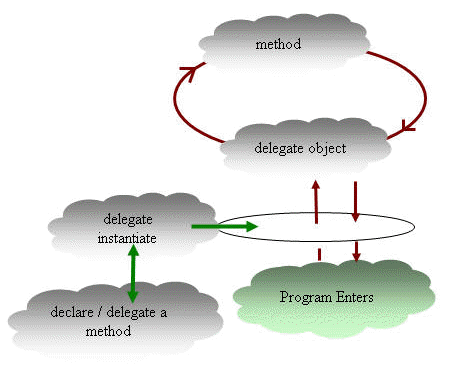
delegate grammars
-
delegate return-type identifier ([parameters]);
where:
- keyword delegate
- return-type: matches the return type of the function.
- identifier: The delegate name.
- parameters: The Parameters, that the function takes.
-
-
a delegate does not know or care about the class of the object that it references.
-
Any object will do; all that matters is that the method's argument types and return type match the delegate's. This makes delegates perfectly suited for "anonymous" invocation.
-
using System;
namespace testdelegate2
{
    public delegate void helloworld();
    class test
    {
        public static void method()
        {
            Console.WriteLine("hello, world!");
        }
        static void Main(string[] args)
        {
            helloworld dg = new helloworld(method);
            dg();
            Console.ReadLine();
          }
    }


}
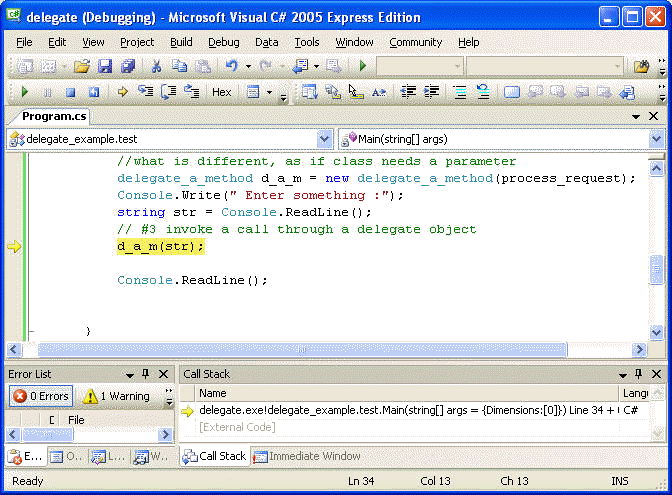
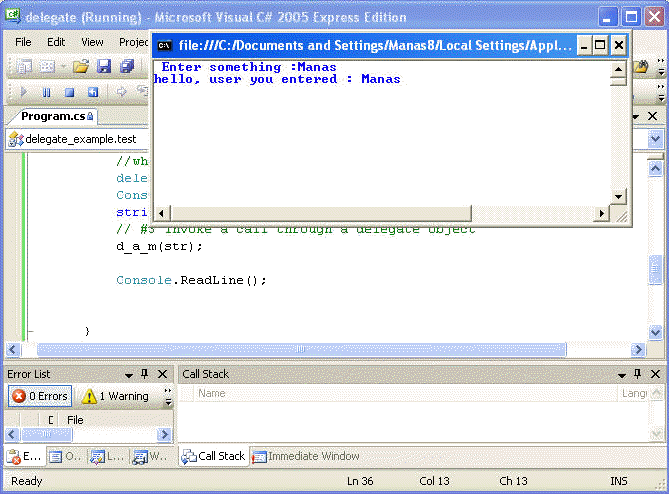
- that will not return any value to the caller and print something locally
- we really did not separate (encapsulate) out regiously.
using System;
using System.Collections.Generic;
using System.Text;

namespace delegate_example
{

    // #1 delcare a delegate
    /*
     * use the keyword delegate
     * name the method you will be encapsulating
     * and its return type
     */
    public delegate void delegate_a_method(string str);
    //
    class test
    {
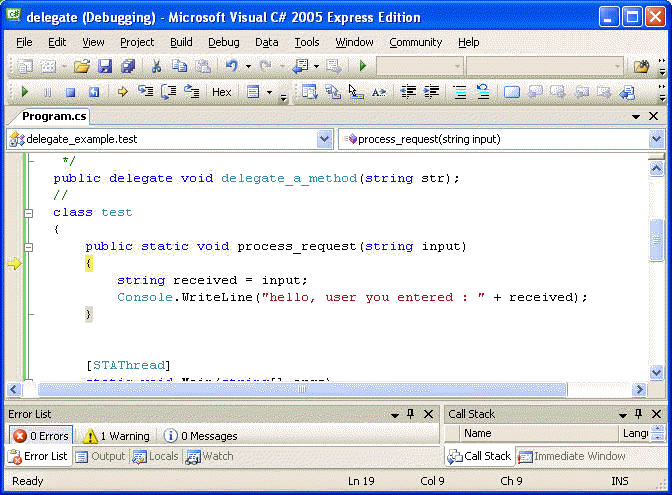
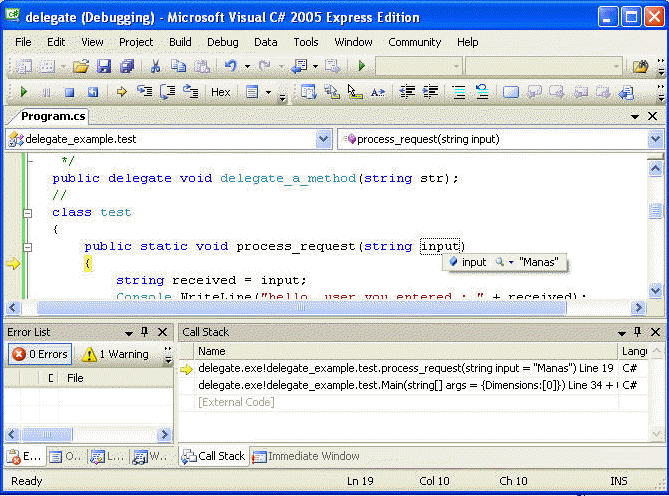
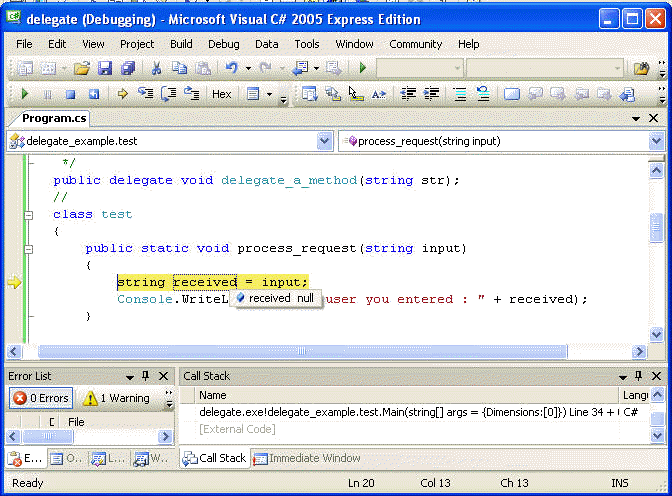
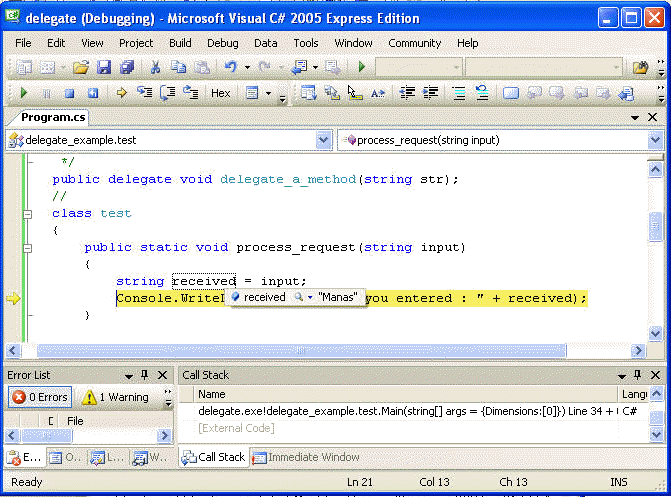
        public static void process_request(string input)
        {
            string received = input;
            Console.WriteLine("hello, user you entered : " + received);
        }


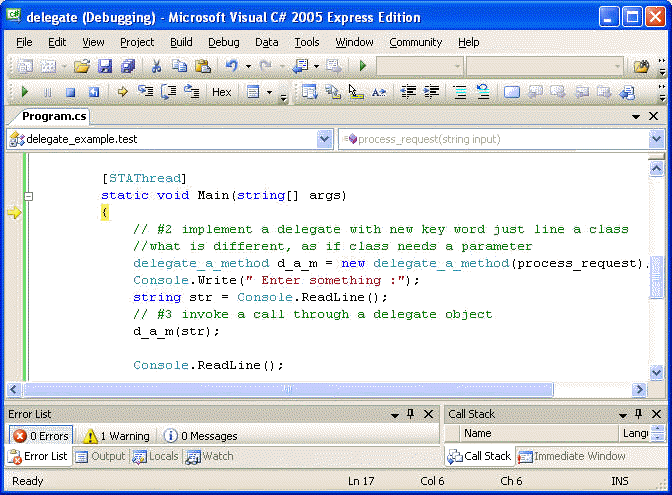
        [STAThread]
        static void Main(string[] args)
        {
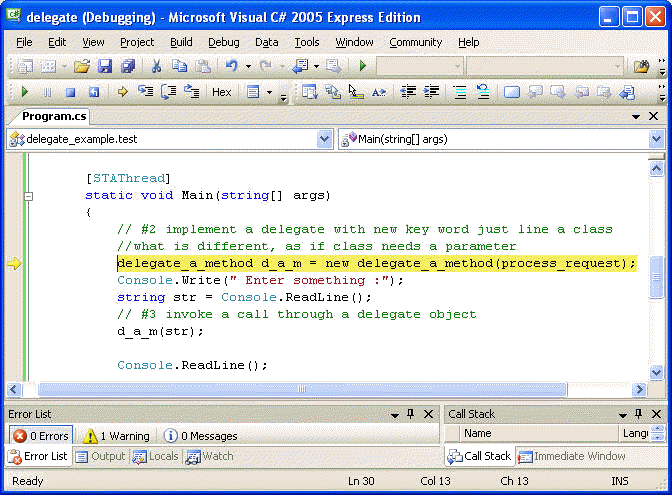
            // #2 implement a delegate with new key word just line a class
            //what is different, as if class needs a parameter
            delegate_a_method d_a_m = new delegate_a_method(process_request);
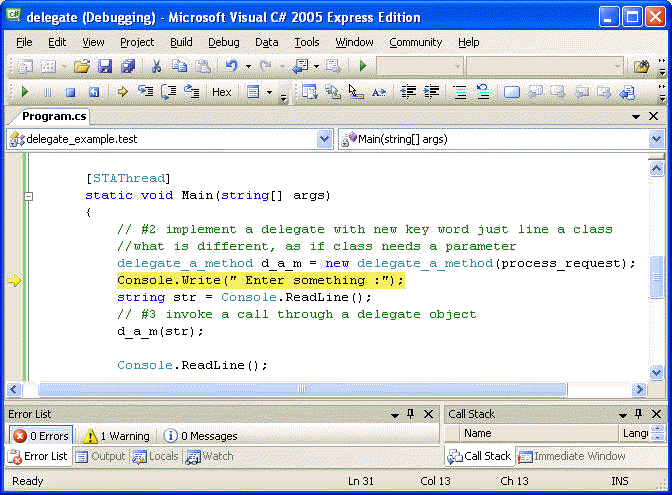
            Console.Write(" Enter something :");
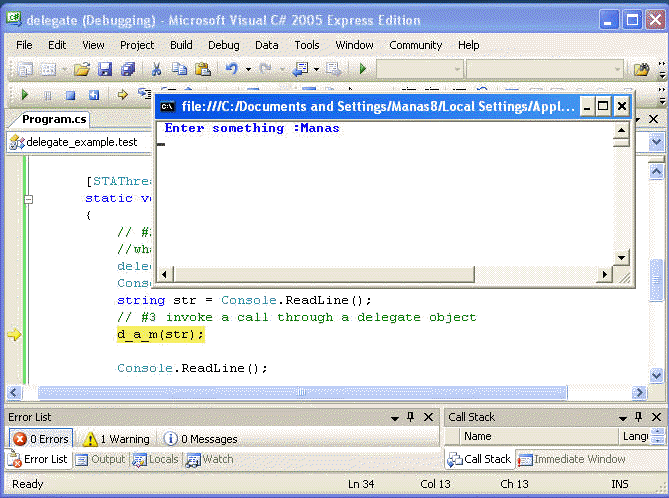
            string str = Console.ReadLine();
            // #3 invoke a call through a delegate object
            d_a_m(str);

            Console.ReadLine();


        }
    }

}